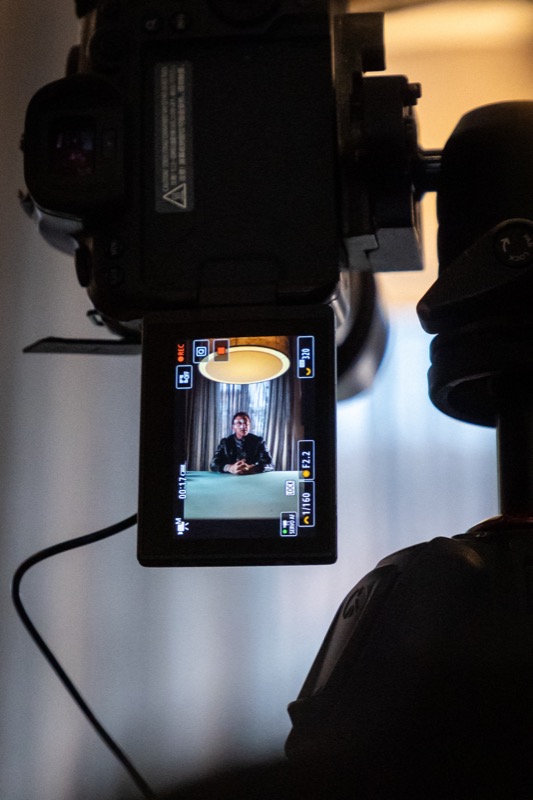
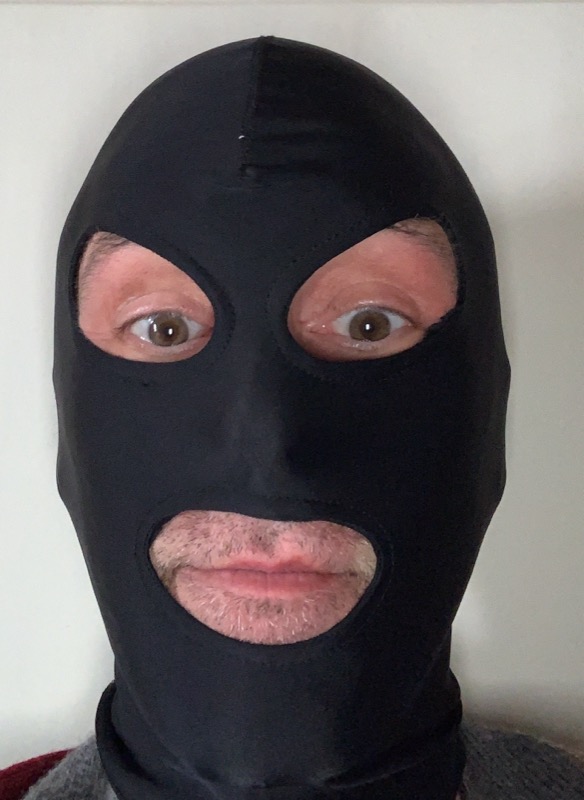
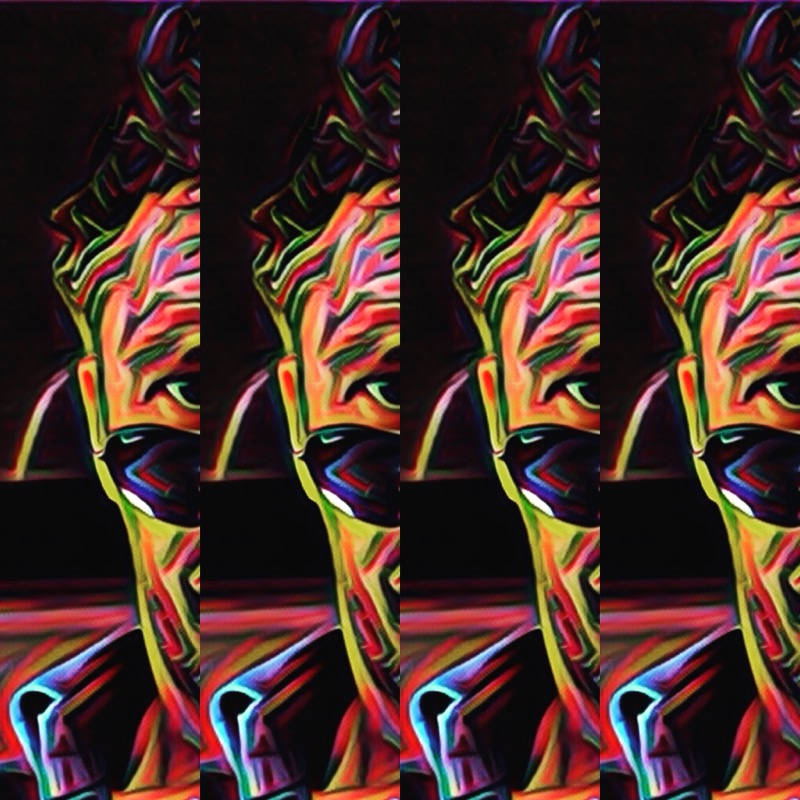
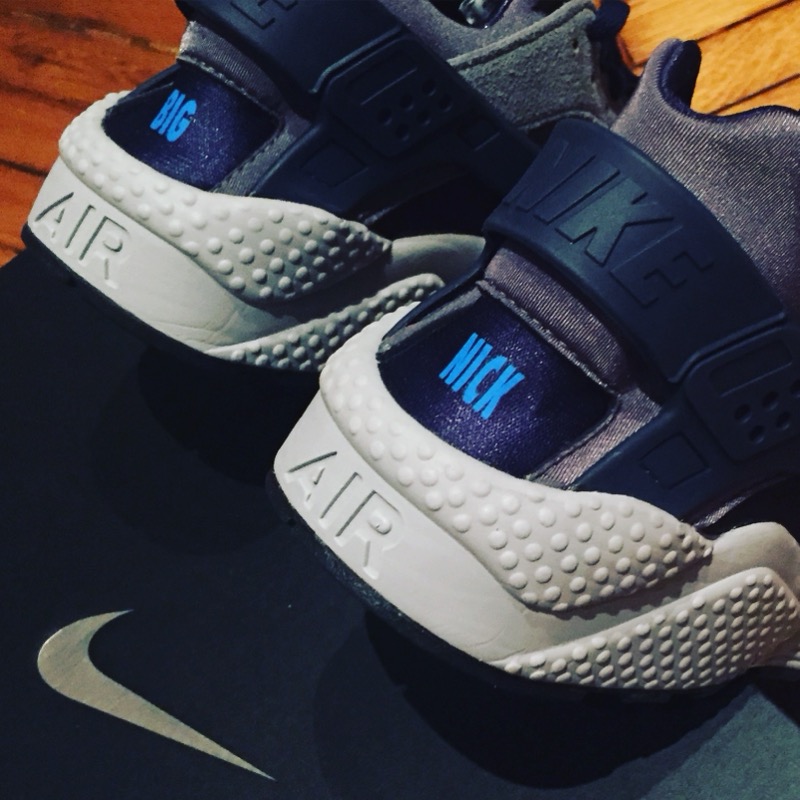
BigNick porta vanti una ricerca sociologica creando e lavorando tra arte concettuale, intervento pubblico, ready-made, fotografia, pittura, installazione e linguaggi della comunicazione contemporanea. Prima di scegliere l'arte come territorio definitivo di espressione, ha attraversato mondi diversi: giornalismo, scrittura, televisione (molta), comunicazione, pubblicità, editoria, racconto del reale. Ha creato FanZine, Testate e prodotti editoriali, Format multimediali, Strategie e Campagne di Comunicazione. Una formazione non accademica in senso tradizionale, ma costruita sul campo, dentro i meccanismi dei Media e della società dell'immagine, del consumo, della cronaca e del desiderio.
BigNick conducts sociological research through creating and working across conceptual art, public intervention, ready-made, photography, painting, installation and the languages of contemporary communication. Before choosing art as his definitive territory of expression, he crossed many worlds: journalism, writing, television (a lot of it), communication, advertising, publishing, non-fiction storytelling. He created fanzines, editorial products, multimedia formats, strategies and communication campaigns. His training is not academic in the traditional sense, but built in the field — inside the mechanisms of Media and the image society, consumption, news and desire.
La sua pratica nasce proprio da questa esperienza diretta del contemporaneo. BigNick osserva la realtà come un autore, la interpreta come un comunicatore e la restituisce come artista. Le sue opere non cercano l'evasione, ma l'accensione di un faro: su ciò che normalmente viene rimosso o evidenziato per pochi attimi, anestetizzato o spettacolarizzato, trasformato in prodotto o servizio pronto per venir consumato e cestinato.
His practice springs precisely from this direct experience of the contemporary. BigNick observes reality as an author, interprets it as a communicator, and returns it as an artist. His works do not seek escape, but the lighting of a beacon: on what is normally suppressed or highlighted for a few moments, anaesthetised or spectacularised, turned into a product or service ready to be consumed and discarded.
"Ho fatto l'accademia della vita, investigando il contemporaneo vivendolo. Dopo il Covid ho cominciato a sintetizzare tutto in opere capaci di accendere un faro su temi che ritengo importanti." Il suo lavoro affronta questioni sociali, affettive e politiche attraverso immagini immediate, spesso pop, talvolta disturbanti, sempre leggibili. La violenza di genere, la guerra, il corpo, il sesso come merce, il consumo, la dipendenza, il bisogno di apparire, la solitudine e la ricerca di consolazione diventano materiali visivi. Oggetti comuni — un coltello, una bambola, un gelato, un salvadanaio, una banconota, una sagoma — vengono sottratti alla loro funzione originaria e trasformati in dispositivi simbolici. Il READY-MADE assume valenza sia come oggetto che come dispositivo in grado di produrre "altro": altri oggetti, altre opere, altri significati.
"I studied the academy of life, investigating the contemporary by living it. After Covid I began to synthesize everything into works capable of shining a light on issues I consider important." His work addresses social, affective and political questions through immediate, often pop, sometimes disturbing, always readable images. Gender-based violence, war, the body, sex as merchandise, consumption, addiction, the need to appear, loneliness and the search for consolation become visual materials. Ordinary objects — a knife, a doll, an ice cream, a piggy bank, a banknote, a silhouette — are withdrawn from their original function and transformed into symbolic devices. The READY-MADE takes on value both as an object and as a device capable of producing "something else": other objects, other works, other meanings.
Il linguaggio di BigNick è diretto perché nasce anche dalla strada, dalla comunicazione e dalla cultura visuale di massa. Le sue opere cercano una relazione immediata con chi guarda, senza rinunciare alla complessità concettuale. In questo senso, la sua posizione è vicina a un'idea democratica dell'arte: pubblica, comprensibile, condivisibile. "Come diceva Keith Haring, l'arte è di tutti e per tutti." BigNick rivendica anche una formazione laterale, libera, contemporanea. Non il percorso canonico dell'artista costruito dentro l'accademia, ma quello di un autore che arriva all'arte dopo avere vissuto, scritto, comunicato, osservato e attraversato il proprio tempo. Di lui il famoso scrittore Roberto Gervaso ha detto "è affetto da una bulimia esistenziale, farebbe tutto".
BigNick's language is direct because it also stems from the street, from communication and from mass visual culture. His works seek an immediate relationship with the viewer, without renouncing conceptual complexity. In this sense, his position is close to a democratic idea of art: public, understandable, shareable. "As Keith Haring said, art is for everyone and by everyone." BigNick also claims a lateral, free, contemporary education. Not the canonical path of the artist built within the academy, but that of an author who comes to art after having lived, written, communicated, observed and traversed his own time. Of him the famous writer Roberto Gervaso said "he is affected by existential bulimia, he would do everything".
"Nessuno mi ha mai detto che esistevano studi idonei a una carriera da artista. Ho imparato tutto con i tutorial di YouTube. Oggi chiunque può fare arte, ed è una cosa meravigliosa." Questa dichiarazione non è ingenuità, ma posizione politica. BigNick vede nell'arte una possibilità ancora aperta, forse una delle poche rimaste, di trasformare l'esperienza individuale in segno collettivo. Dopo una carriera costruita nella comunicazione, nella scrittura e nella narrazione, sceglie di lasciare tutto per concentrarsi sull'arte come pratica stimolante e necessaria ad aprire nuovi occhi e arrivare a nuove comprensioni del contemporaneo.
"No one ever told me there were studies suitable for a career as an artist. I learned everything from YouTube tutorials. Today anyone can make art, and it's a wonderful thing." This statement is not naïveté, but a political stance. BigNick sees in art a possibility still open, perhaps one of the few remaining, to transform individual experience into collective sign. After a career built in communication, writing and narration, he chooses to leave everything to focus on art as a stimulating and necessary practice to open new eyes and arrive at new understandings of the contemporary.
"Arriva un momento in cui ti rendi conto che l'arte è una delle poche cose per le quali vale la pena alzarsi la mattina." In questa urgenza si trova il cuore del suo lavoro. L'arte non come decorazione, ma come atto di presenza. Non come fuga dalla realtà, ma come tentativo di restare dentro il mondo guardandolo con più lucidità. Ogni opera di BigNick nasce da un'urgenza: prendere un tema che brucia, condensarlo in un'immagine semplice e renderlo impossibile da ignorare.
"There comes a point where you realize that art is one of the few things worth getting up in the morning for." In this urgency lies the heart of his work. Art not as decoration, but as an act of presence. Not as an escape from reality, but as an attempt to remain in the world, observing it with greater clarity. Every work by BigNick is born from an urgency: to take a burning theme, condense it into a simple image and make it impossible to ignore.
"L'arte è una speranza di immortalità. Una possibilità di lasciare un segno di ciò che oggi 'è' e domani 'sarà', prima che tutto scompaia nel fluire del tempo." Non nel senso monumentale o celebrativo del termine, ma come possibilità di lasciare un segno, una domanda, una ferita aperta. BigNick costruisce opere che vogliono essere viste prima ancora che spiegate, ma che continuano a lavorare dopo il primo impatto. Immagini popolari, accessibili, talvolta ironiche, talvolta crudeli, capaci di trasformare oggetti ordinari in piccole accuse visive contro l'indifferenza del presente.
"Art is a hope of immortality. A possibility of leaving a mark of what today 'is' and tomorrow 'will be', before everything disappears in the flow of time." Not in the monumental or celebratory sense of the term, but as a possibility of leaving a mark, a question, an open wound. BigNick constructs works that want to be seen before they are explained, but that continue to work after the first impact. Popular, accessible images, sometimes ironic, sometimes cruel, capable of transforming ordinary objects into small visual accusations against the indifference of the present.